Novel Embroidery Font: A Fresh Take on Elegant Lettering
There's a moment in every project where the typography either elevates the entire concept or quietly holds it back. For anyone working with embroidery—whether you're personalizing baby blankets for an Etsy shop, stitching corporate polos, or adding flair to a handmade gift—the choice of font carries weight. The Novel embroidery font arrives as a compelling option that balances decorative charm with genuine readability, filling a space between overly ornate scripts and sterile block letters.
What Sets This Typeface Apart
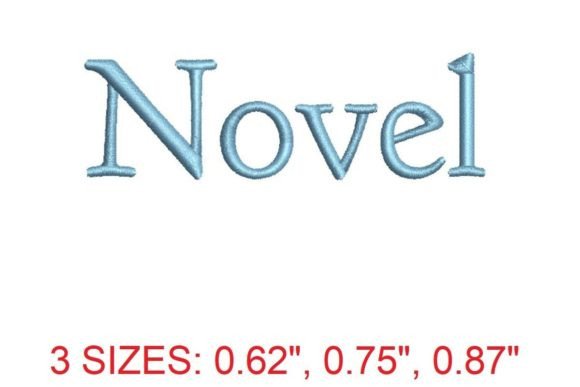
Novel isn't just another scripted alphabet downloaded and forgotten. The letterforms feature deliberate curves, subtle serifs, and carefully placed details that give each character personality without descending into illegibility. The uppercase letters command attention with their confident strokes, while the lowercase maintains a friendly warmth that works across different project scales. The numbers and punctuation receive the same thoughtful treatment, which matters more than most people realize when you're stitching an address on a wedding gift or pricing tags for a craft fair.
What makes this particular embroidery font worth a closer look is how the digitizing handles the transitions between stitches. You know those fonts where certain letters look choppy or where thin strokes disappear into the fabric? Novel's design accounts for the physical reality of thread on material. The curves flow naturally, and the stitch density feels intentional rather than arbitrary. Each of the 156 letters in this set has been individually optimized, which shows in the finished product.
Real-World Applications That Actually Matter
Think beyond monograms for a moment—though Novel certainly excels there. Consider the small business owner creating branded merchandise. A boutique candle company, for example, could stitch its name onto linen pouches with this font and instantly communicate a handcrafted, premium quality that printed tags simply cannot replicate. The lettering becomes part of the product experience.
For wedding planners and stationery designers offering embroidered details, Novel bridges the gap between formal and approachable. It carries enough elegance for invitation envelopes and ceremony programs while remaining legible at various sizes. The versatility extends to:
- Corporate branding on employee uniforms, tote bags, and event giveaways
- Packaging accents for artisan food products, cosmetics, and handmade goods
- Social media content where embroidered mockups need to read clearly in thumbnails
- Website headers and blog graphics that want a tactile, crafted aesthetic
- Print materials like business cards, brochures, and editorial layouts
- Merchandise design for hats, jackets, and promotional items
- Invitations and announcements for weddings, showers, and milestone celebrations
- Digital products such as printable art, planners, and marketing assets
The font's personality shifts slightly depending on thread color, fabric texture, and stitch size, which gives designers room to experiment without straying from a consistent visual identity.
Matching Typography to Your Project Goals
Choosing a creative font starts with understanding what you want the lettering to communicate. Novel leans toward sophistication with a modern sensibility—it won't work for every project, and that's perfectly fine. A children's birthday party banner might call for something bouncier. A motorcycle club patch probably needs something bolder. But for projects that aim for refined charm, thoughtful craftsmanship, or understated luxury, this typeface hits the mark.
Consider your audience carefully. If you're a small business owner designing embroidery for products aimed at women aged 25–45 who appreciate quality and aesthetics, Novel speaks their visual language. The font pairs well with clean sans serif fonts for contrast—use Novel for hero text or names, and a straightforward sans serif for secondary information like dates, addresses, or taglines.
Testing matters before committing to a large production run. Stitch out sample letters at different sizes on your actual fabric. Check how the curves hold up on textured materials versus smooth cotton. Look at the spacing between letters and adjust if your machine software allows kerning modifications. These small refinements separate amateur results from professional presentations.
Practical Details Worth Knowing
The download includes multiple embroidery file formats, which means compatibility shouldn't be a barrier regardless of whether you use a Brother, Janome, Bernina, Husqvarna, or other machine brand. Having 156 letters gives you the full alphabet in both cases, plus numbers and common punctuation—enough to handle virtually any text-based design without running into missing characters mid-project.
The size and stitch information provided for each dimension helps you estimate thread consumption and plan production timelines. If you're running a small embroidery business, this kind of detail matters for accurate quoting. The full dimension breakdown for all characters is available in the PDF documentation, so review it before purchasing if you need specific measurements for your typical project sizes.
One practical note about commercial use: if you're creating products for sale, verify the licensing terms before incorporating any premium font into your workflow. Most quality embroidery fonts permit commercial use, but understanding the specifics protects your business and respects the designer's work. This applies to any design asset you purchase, not just Novel.
Building Visual Consistency Across Touchpoints
Brand recognition depends on repetition and consistency. When customers see the same lettering style on your product packaging, your embroidered merchandise, your Instagram graphics, and your printed materials, they begin to associate that visual language with your business. Novel embroidery font can anchor that consistency for brands whose identity centers on elegance, creativity, or artisan quality.
Think about how your embroidered pieces fit into the broader brand ecosystem. A photographer who stitches client gift bags with Novel lettering should echo that same typographic personality in their logo design, website headers, and social media graphics. The font becomes a thread—pun intended—that ties disparate touchpoints into a cohesive brand identity.
For content creators and bloggers documenting their embroidery journey, using a distinctive font like Novel across tutorials, product photos, and digital downloads builds a recognizable aesthetic that audiences come to expect and appreciate. That visual consistency signals professionalism and intentionality, which builds trust over time.
The real value of a well-chosen embroidery font isn't just in how individual letters look—it's in how those letters contribute to a larger creative vision. Novel gives you a strong starting point. What you build with it depends entirely on your imagination and your willingness to experiment with thread, fabric, and design until the results feel genuinely yours.