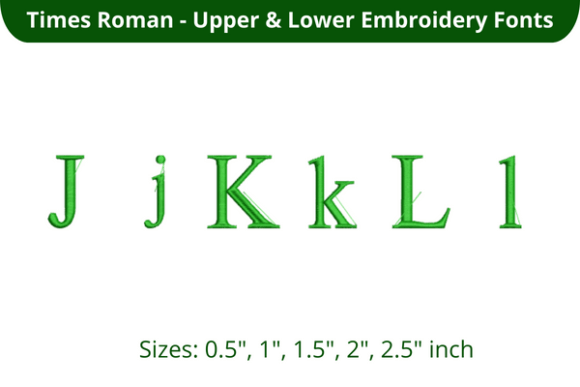
Times Roman Font JKL: A Staple for Embroidery and Personalization
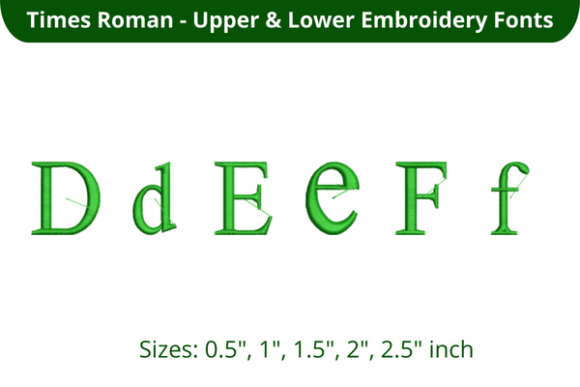
There’s a certain magic in seeing a name stitched onto a towel, a meaningful date embroidered on a baby blanket, or a favorite quote gracing a tote bag. It transforms a simple fabric item into a keepsake, a gift, or a piece of branded merchandise. For crafters, small business owners, and designers working in the textile space, achieving this level of personalization consistently and professionally hinges on one critical asset: a reliable, versatile embroidery font. This is where the Times Roman Font JKL steps in, offering a classic aesthetic adapted for the unique demands of machine embroidery.
The Classic Appeal Meets Modern Craft
Times Roman is arguably one of the most recognized typefaces in the world. Its origins in newspaper typography mean it was designed for high readability at small sizes and dense blocks of text. Translating this into an embroidery font like Times Roman Font JKL means you’re starting with a foundation of proven clarity and elegance. The serifs—the small lines at the ends of strokes—guide the eye smoothly from letter to letter, which is a subtle but powerful advantage when your text needs to be read from a distance or on a textured surface like a quilted jacket or a knitted cap.
What makes this particular font stand out in the embroidery world is its balance. It’s neither overly ornate nor starkly simple. It carries a tone of professionalism and timelessness, making it suitable for a wedding gift as easily as it is for a corporate polo shirt. For a small business owner creating branded merchandise, using a font with inherent recognition and trustworthiness can subtly elevate the perceived value of their products.
Practical Applications Across Projects
The true test of any design asset is its versatility. The Times Roman Font JKL excels here, serving as a workhorse for numerous creative and commercial applications. Its strength lies in its ability to adapt to the context without losing its core identity.
- Branded Merchandise & Apparel: This is a primary use case. Embroidering company names, logos, or slogans onto uniforms, hats, bags, and promotional items. The font’s professional demeanor ensures the brand looks established and credible.
- Personalized Gifts: Monogramming towels, robes, or handkerchiefs. Stitching names and dates on baby blankets, Christmas stockings, or anniversary pillows. The font’s clarity ensures the personalization is the focal point.
- Home Décor: Adding quotes or family names to wall hangings, pillows, and table linens. The serif style complements both traditional and contemporary interior design themes.
- Event & Party Goods: Creating custom embroidery for event signage, table runners, or party favors for weddings, corporate events, or milestone birthdays.
- Digital Product Mockups: For designers selling embroidery files or mockups, showcasing designs using a classic, widely appealing font like this can make the end product more attractive to potential buyers.
Think beyond just text. This font can be effectively paired with simple embroidery motifs—floral borders, geometric shapes, or monogram frames—to create complete, polished designs. It acts as the anchor, providing a readable message while other design elements add visual interest.
Making the Most of Your Embroidery Font
Having a great font file is the first step. Using it effectively is what separates good projects from great ones. Here’s some practical advice for integrating Times Roman Font JKL into your workflow.
Consider Your Fabric and Stabilizer. A font that looks perfect in a digital preview might behave differently on stretchy jersey knit versus stiff denim. Always do a test stitch-out on a scrap of your actual project fabric with the appropriate stabilizer. This small step prevents wasted time and materials. Adjusting the design density in your embroidery software might be necessary for different fabric types.
Pay Attention to Size and Spacing. Embroidery has physical constraints. Very small text can become a tangled mess of thread, while very large text can become prohibitively expensive in terms of stitch count and time. Review the included file formats (like .PES, .DST, .JEF, etc.) and test how the font renders at your intended size. Proper kerning (spacing between letters) is built into quality embroidery fonts, but always preview the layout before stitching.
Explore Font Pairing (Digitally and Physically). In digital design, you might pair Times Roman with a clean sans-serif for contrast. In embroidery, this translates to combining it with other embroidery designs. For instance, use Times Roman for a main name and a simpler, smaller sans-serif font for a date below it. Or pair it with a decorative script font for a first name, using Times Roman for the last name to maintain readability. Test these combinations in your embroidery software’s preview function.
Understand the Commercial Aspect. If you’re selling finished embroidered goods or the digital embroidery files themselves, licensing is crucial. Ensure the font license permits commercial use. This is a standard consideration for any design asset used in a business context, from premium fonts to stock graphics. It protects you legally and ensures the original creator is supported.
Building a Cohesive Visual Identity
For entrepreneurs and content creators, consistency is key to brand recognition. Using a single, versatile embroidery font like Times Roman Font JKL across all your physical products creates a unified look. A customer who buys a branded tote bag and later sees a stitched sweatshirt on your Instagram should instantly recognize the same typographic style. This repetition builds familiarity and trust.
It’s not just about slapping a name on an item. It’s about thoughtful application. The font becomes part of your brand’s tactile language. The weight of the thread, the sheen of the bobbin thread, and the crispness of the letterforms all contribute to the customer’s experience. A well-executed embroidery job using a quality typeface communicates care and attention to detail—qualities any brand wants to be associated with.
Ultimately, a tool like the Times Roman Font JKL is more than just a set of embroidery files. It’s a bridge between a digital idea and a physical, textured creation. It allows for the expression of personality, the reinforcement of a brand, and the creation of meaningful objects. By understanding its strengths and applying it thoughtfully, you can ensure your embroidered designs communicate exactly the message you intend, with clarity and style that stands the test of time.