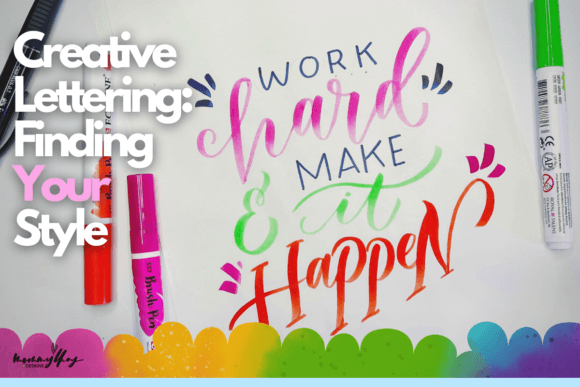
Creative Lettering: Finding Your Style for Impactful Designs
Everywhere you look, letters tell a story. From the bold logotype on your morning coffee cup to the elegant script on a wedding invitation, typography shapes how we feel about a message before we even read the words. But what happens when the standard fonts in your library just don’t capture the unique personality of your project? This is where the art of creative lettering comes into play, offering a bridge between standard digital type and the organic warmth of hand-drawn art.
For designers, entrepreneurs, and content creators, finding a typeface that feels authentic can be the missing puzzle piece in a brand identity. While there are thousands of fonts available, many lack the nuance required to stand out in a crowded market. "Creative Lettering: Finding Your Style" isn’t just about picking a pretty font; it’s about understanding how visual communication works to evoke specific emotions. Whether you are designing a logo, curating a social media feed, or packaging a new product, the right typography acts as a voice for your brand.
The Power of Personality in Typography
When we talk about "Creative Lettering," we are often referring to display fonts or typefaces that mimic the irregularities of the human hand. Unlike a standard sans serif font, which prioritizes uniformity, a creative lettering style brings texture, movement, and energy. Think of the difference between a typed "Happy Birthday" message and one written by a calligrapher. The latter carries weight and sentiment.
In the context of modern branding, this personality is invaluable. A premium font with a hand-lettered aesthetic can instantly make a small business feel more approachable and artisanal. For example, a bakery using a rustic, flour-dusted script font for their packaging immediately communicates homemade quality. Conversely, a tech startup might use a geometric, hand-drawn display font to appear innovative yet human. The goal is to find a style that resonates with your target audience—whether that’s the playful whimsy of a children’s book author or the sophisticated flair of a boutique fashion label.
From Logotypes to Merchandise: Practical Applications
The versatility of a well-designed creative lettering font extends far beyond a simple headline. When you invest in high-quality design assets, you are buying a toolkit for visual consistency. Here is how you can apply a unique lettering style across various platforms to maintain a cohesive brand identity:
- Logo Design and Brand Identity: Your logo is the face of your business. A custom lettering style ensures that no competitor looks quite like you. It serves as the cornerstone of your visual identity.
- Packaging Design: On the shelf, consumers make split-second decisions. Artisanal lettering can make a product feel premium and worth the price tag, distinguishing it from mass-produced competitors.
- Social Media Graphics: In the fast-scrolling world of Instagram or TikTok, static images need to pop. Bold, creative typography grabs attention and stops the thumb. It helps create a recognizable aesthetic for your feed.
- Web Design and Blogs: While body text requires high readability (usually a clean serif or sans serif font), headers and hero images benefit greatly from a striking display font. It sets the mood for the content that follows.
- Editorial and Print Materials: Magazine covers, posters, and flyers rely on typography to convey urgency or elegance. A dynamic lettering style can turn a simple poster into a piece of art.
Furthermore, for those selling digital products or marketing assets, using unique typography in your mockups and presentations elevates your professional presentation. It shows that you care about the details, which builds trust with potential clients.
Navigating the Styles: From Script to Serif
Finding your style within the "Creative Lettering" genre requires exploring the nuances of different typeface families. It is not enough to simply choose "something that looks cool." You must match the typography to the project goals.
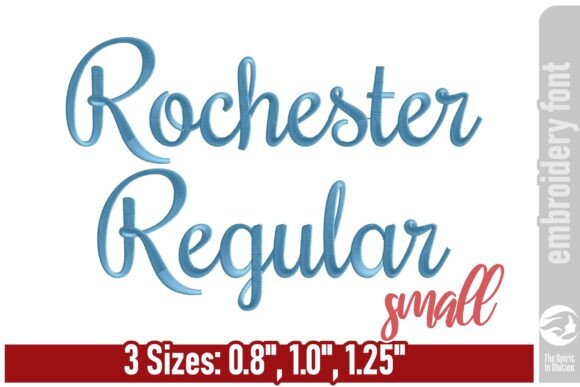
Script and Handwritten Fonts: These are the most common choices for creative lettering. They mimic cursive handwriting and range from elegant, flowing calligraphy to rough, scratchy marker styles. They are perfect for invitations, personal branding, and lifestyle products. However, they must be used with caution; a highly decorative script font can become unreadable if used for long paragraphs.
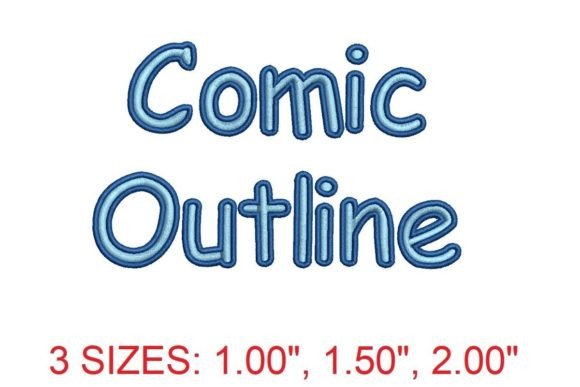
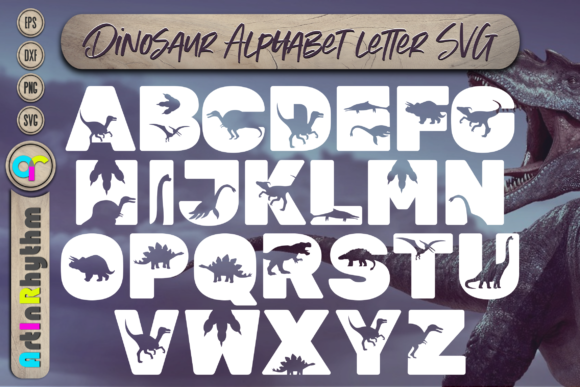
Display and Decorative Fonts: These are the showstoppers. Think of vintage signage, grunge textures, or retro 70s vibes. A display font is designed specifically for headlines and logos. It is not meant for body copy. If your brand is about being loud and bold, this is your category.
Hybrid Styles: Modern typography often blends the clean geometry of a sans serif font with the quirky irregularities of hand lettering. These "hybrid" fonts offer the best of both worlds: they are legible like a standard font but possess the unique character of hand-drawn art.
The Art of Font Pairing and Readability
One of the most practical skills in design is font pairing. You rarely want to use a creative lettering font for everything. If your headline is a complex, textured script, your body text should be something simple and clean to provide relief to the eye.
A classic rule of thumb is contrast. If your primary font is a flowing script, pair it with a geometric sans serif. If your headline is a heavy, blocky display font, pair it with a light, airy serif for the sub-headings. This contrast creates a visual hierarchy, guiding the reader’s eye from the most important information to the supporting details.
Readability considerations are paramount, especially in web design. Always test your font pairings on different devices. A font that looks gorgeous on a high-resolution desktop monitor might become a muddy mess on a small smartphone screen. Ensure that your creative lettering is legible at the sizes you intend to use it. If the letters are too close together (tight kerning) or the loops are too complex, it fails its primary job: communication.
Commercial Licensing and Professional Standards
Before you fall in love with a specific typeface, you must consider the practical side of design assets: licensing. Many beautiful fonts found online are free for personal use only—meaning you can use them for a school project or a birthday card, but not for your business logo or products.
For any commercial project, whether it’s merchandise, packaging, or client work, you need a commercial license. Using a font without the proper license can lead to legal headaches down the road. When you purchase a premium font, you are not just paying for the vector files; you are paying for the peace of mind that comes with legal usage rights. Always review the End User License Agreement (EULA) to understand what is permitted.
Conclusion: Defining Your Visual Voice
Creative lettering is more than just decoration; it is a strategic tool for visual communication. Whether you are a small business owner trying to carve out a niche or a graphic designer looking to expand your toolkit, finding a style that feels authentic is a journey worth taking. It involves experimenting with different weights, testing pairings, and understanding the psychology behind shapes and strokes.
By moving beyond the default fonts and embracing the world of creative typography, you gain the ability to craft messages that truly resonate. It’s about finding that perfect balance between artistic expression and functional design. So, dive into the world of Creative Lettering: Finding Your Style, and let your typography speak volumes before a word is even read.